A National Directory of Drug Treatment Centers and Alcohol Treatment Centers, Therapists and Specialists. A free, simple directory providing assistance and guidance for those seeking help regarding alcohol addiction, drug addiction, dependency and many other conditions that affect the mind, body and soul.
Call
888-647-0579
to speak with an alcohol or drug abuse counselor.
Who Answers?
Helping Someone With Alcohol or Drug Problem
If someone confides in you that he or she has a problem with alcohol or other drugs, some ways of dealing with this situation clearly work better than others. You should try to be:
Understanding – listen to reasons why he or she uses/ abuses alcohol or other drugs;
Firm – explain why you feel that use of alcohol or other drugs can be harmful, causing problems which require counseling and treatment;
Supportive – assist the user in finding help and provide moral support through the tough times ahead;
Self-examining – ask yourself whither you have provided a good role model.
Actions that you should avoid include being:
Sarcastic
Accusatory
Stigmatizing
Sympathy seeking for yourself, or
Self-blaming.
Alcohol or drug problems can cause other severe problems.
Intervening in the case of a family member or friend who has a problem can be very difficult and hurtful. The person with the problem will most likely deny the problem and try to put you on the defensive – “I thought you were my friend.”; “Are you calling me a drunk?”; or “You’ve used drugs, where do you get off calling me an addict?”
In a case such as this, what you don’t do is as important as what you should do:
Avoid emotional appeals, which may only increase feelings of guilt and the compulsion to drink or use drugs.
Don’t cover up or make excuses for the person.
Don’t take over his or her responsibilities, which will leave the person with no sense of importance or dignity.
Don’t argue with the person when he or she is under the influence of alcohol or other drugs.
Don’t hide or dump bottles nor shelter your loved one from situations where alcohol is present.
Above all, don’t accept responsibility for the person’s actions nor guilt for his or her drinking.
Elderly treatment is fragile and must be carefully considered before moving forward with care. Seniors often develop drinking problems to cope with loneliness, grief or pain. It is important to choose alcohol addiction treatment centers that have experience in treating the elderly. Substance abuse among the elderly is one of the fastest growing health problems….
When you go into drug treatment there’s always a chance that you will suffer bouts of depression along the way. Depression is a serious condition and coping with depression on top of all the other thoughts and conditions that you are dealing with in drug treatment can be difficult. But, who said the road to….
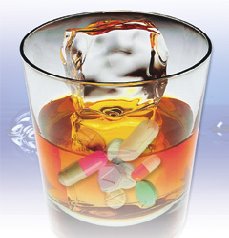
Prescription drug abuse is no longer a problem that only a certain generation or age group faces; rather it has become an epidemic, touching people of all walks of life. Many of the commonly abused prescription drugs are those that are prescribed for many health issues as well as recovery from those issues. Prescription drug abuse….
“Co-occurring disorders”, as the name suggests, is a disorder, in which the person is affected with dual problems like that of an emotional or psychiatric problem along with drug or alcohol addiction. The “co-occurring disorder” has a great effect on the patients “psychological and physical health”. A large part of the global population is experiencing….
A residential treatment center is a place where that addresses to the number of problems of children through multi-faceted approaches that extend beyond the classroom, family and rest of the world. It is an approach to help your child who might be facing severe physical or physiological problems. A residential treatment center is specifically designed….