A National Directory of Drug Treatment Centers and Alcohol Treatment Centers, Therapists and Specialists. A free, simple directory providing assistance and guidance for those seeking help regarding alcohol addiction, drug addiction, dependency and many other conditions that affect the mind, body and soul.
Call
888-647-0579
to speak with an alcohol or drug abuse counselor.
Who Answers?
Drinking Alcohol Raises Prostate Cancer Risk in African Americans
Alcohol consumption may be associated with an increased risk of prostate cancer in African-American men, according to researchers.
A team led by Lionel L. Bañez, MD, Assistant Professor of Medicine at Duke University Medical Center in Durham, N.C., prospectively collected data, including information on alcohol intake, from 334 men undergoing prostate biopsy at Durham Veterans Affairs Medical Center from 2007 to 2009. Overall, regular consumption of three alcoholic drinks per week was associated with a significant 2.46 times increased risk of prostate cancer, the investigators reported here at the Genitourinary Cancers Symposium. When the investigators stratified subjects by race, alcohol intake was associated with a significant fivefold increased risk of prostate cancer in African Americans but a nonsignificant 85% increased risk in Caucasians.
“There may be genetic differences in the way African Americans metabolize alcohol,” Dr. Bañez said.
If the findings are confirmed in other populations, he and his colleagues concluded, public awareness of the negative effects of alcohol intake on prostate cancer, specifically in African Americans, should be promoted.
Most studies examining the association between alcohol consumption and prostate cancer risk have found no link, but these studies have involved predominantly Caucasian men, he said. Previous studies have found that certain polymorphisms of the alcohol dehydrogenase gene specific to African and Native Americans may lead to bodily accumulations of acetaldehyde, a carcinogen, Dr. Bañez explained.
The symposium is sponsored by the American Society of Clinical Oncology, the American Society for Radiation Oncology, and the Society of Urologic Oncology.
Drinkers in Leeds are being urged to examine how much booze they are knocking back over Christmas. Giant touch-screens have been erected at Leeds railway station to help people work out their alcohol consumption – and compare West Yorkshire’s drinking levels with the national average. Screens have also been put up in London, Glasgow and….
A survey conducted by the World Health Organization (WHO) research consortium found that the United States had among the highest lifetime rates of tobacco and alcohol use and led in the proportion of participants reporting cannabis (marijuana) or cocaine use at least once during their lifetime. The study, led by Dr. Louisa Degenhardt of the….
In Southern California alone, there are hundreds of “Recovery Treatment Programs” or “Drug and Alcohol Rehabs.” Southern California has been ranked the second most popular place in the United States for individuals to seek help, for their drug and alcohol addictions. You have a choice when it comes to women’s drug and alcohol treatment programs….
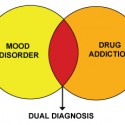
Dual Diagnosis is a condition wherein a person has mental disorder as well as an alcohol problem. This is a condition that occurs very often, particularly with depression, personality disorders, anxiety disorders, Schizophrenia. Many times, the onset of Dual Diagnosis begins with the mental problems and to cope up with it, people use drugs or….
As the Number of Finnish children living in families with alcohol abuse issues has grown in recent years, so too has the number of pregnant Finnish women harming their unborn children through excessive use of alcohol. According to recent estimates, around six per cent of pregnant Finns drink heavily during pregnancy, meaning that over 3,000….