How Counseling in Treatment Centers Helps You Recover from the Mental Effects of Alcohol
Overconsumption of alcohol can lead to dangerous consequences in a person’s life. Drinking alcohol can interfere with rational thinking, causing the person to make irresponsible decisions, such as driving while intoxicated. Driving while intoxicated is one of the top reason people have car accidents. In one moment someone’s life can be changed forever, and can mean permanent damage or fatal results. The mental effects of alcohol can linger on making it impossible to stay emotionally stable.
According to the National Institute on Alcohol Abuse and Alcoholism, heavy drinking can have extensive effects on the brain. It can cause slips in memory and can also cause permanent and debilitating conditions that require long term care. Even moderate drinking can lead to short-term impairment, such as the impact drinking alcohol can cause while driving.
How Can Counseling in Treatment Centers Help You Recover from the Mental Effects of Alcohol?
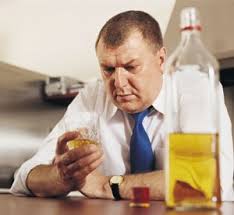
Counseling can help you work through the emotional effects alcohol has had on your life.
If you are finding it difficult to function on a daily basis due to the mental effects that drinking alcohol caused, then obtaining counseling is important. By visiting a treatment center and joining a counseling program, you can get help in recovering from the mental effects of alcohol. Counseling can help you deal with the following issues you may be having:
- Depression: Heavy drinking can lower a person’s serotonin levels in the brain. Serotonin is a chemical that affects mood. This can cause you to feel depressed when alcohol is being consumed, or when you stop drinking. If you started drinking to mask off your depression, the mental effect afterward can worsen the depression, making it very difficult to feel emotionally stable.
- Anxiety: If you are having uncontrollable feelings of nervousness, fear, or worry -counseling can help. The mental effects of alcohol can cause extreme stress and it can be hard to feel content or calm.
- Mental illness: If you suffer from a co-occurring disorder such as bi-polar, anxiety and/or depression, then drinking alcohol can elevate the symptoms further. Drinking to relieve the symptoms from any of these illnesses will only make them more severe.
- Traumatic experiences: If thoughts seem to linger on triggering memories of past traumatic experiences, it can be difficult to maintain an emotional balance. Especially if alcohol was the cause. This alone can bring on further depression and anxiety if you do not learn how to deal with it. Counseling is the best chance at learning to manage painful memories.
Counseling can help you recover from the mental effects of alcohol so you can learn to function on a daily basis and feel more productive.
Can You Be in Rehab and Still Get Counseling?
Counseling is an important part of your rehab program. Learning how to recover from the mental effects of alcohol makes recovery so much more effective. A rehabilitation program without counseling will not help you in the long-term. It is an essential step to becoming sober and clean.
Can the Mental Effects of Alcohol Cause You to Drink Again?
Left untreated, the effects that alcohol can cause on your mental state of mind can lead to continued drinking. If you do not get counseling to deal with the mental effects of alcohol, you may turn to more drinking just to try and cover up the emotions you are experiencing. This can lead to permanent damage physically and psychologically. The sooner you begin recovery and get counseling in a treatment center, the better chances you have at improving your emotional well-being.