Call
888-647-0579
to speak with an alcohol or drug abuse counselor.
Who Answers?
Washington Treatment Centers
Washington AA Meetings
Western Washington Area Alcoholics Anonymous
Vancouver Intergroup AA
Washington State Area 92 AA
The Greater Seattle Intergroup of AA
Al-Anon Family Groups
Washington Area Al-Anon / Alateen
Mental Health Services
Washington State – Mental Health Services
Anchor Mental Health Association
Washington County Mental Health Services
Southwest Washington Behavioral Health
Anonymous Groups
NA Seattle Area
Southwest Washington Area NA
NA Chesapeake & Potomac Region
Cocaine Anonymous Washington State Area
Marijuana Anonymous, Washington
Overeaters Anonymous Greater Seattle Intergroup
Western Washington Gamblers Anonymous
Washington Helplines
HIV Client Services –call (877) 376-9316
Crisis Clinic of the Peninsulas – call (360) 452-4500
DC Rape Crisis Center – call 202-333-7273
Washington Domestic Violence – call 800-562-6025
Abuse and Neglect Hotline – call 1-866-ENDHARM
Child Abuse Hotline – call (202) 671-SAFE
WA Recovery Help Line – call 866-789-1511
Treatment & Detox Guide
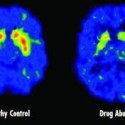
Regardless of the type of drug involved, addictive drugs all exert certain effects that increase the likelihood of ongoing drug use. Also known as psychoactive agents, these drugs are able to cross the blood-brain barrier, which gives them easy access to the brain’s workings. According to the National Institute on Drug Abuse, drug addiction creates….
Continue reading ›
One in eight troops returning from Iraq and Afghanistan from 2006 to 2008 were referred for counseling for alcohol problems after their post-deployment health assessments, according to data from the Armed Forces Health Surveillance Center. Service members complete their initial health assessments within 30 days of returning home. The authors of the study, published in….
Continue reading ›
Up To 10,000 people in Kirklees could have some form of issue with alcohol. The Kirklees Alcohol Advisory Service (KAAS) said they are approached by around 3,000 people a year seeking help for alcohol dependency. But chairman Norman Macleod believes there are many thousands more who, while not alcoholics, are not in control of their….
Continue reading ›

The disease model of addiction expresses that addiction is a brain disease. A brain disease which only gets worse as it progresses through various stages. The disease of addiction has no cure, but it can be treated. The answer to treatment is medical intervention (using medication-assisted treatment), abstinence (completely staying away from drugs) and sustained….
Continue reading ›
Successfully persuading chronic alcoholics of the virtues of gardening and a good diet may appear like an impossible task, but doctors are to start promoting The Good Life model in a bid to cure Scotland’s drink problem. Teaching problem drinkers how to grow and cook healthy food is to be a key part of a….
Continue reading ›