A National Directory of Drug Treatment Centers and Alcohol Treatment Centers, Therapists and Specialists. A free, simple directory providing assistance and guidance for those seeking help regarding alcohol addiction, drug addiction, dependency and many other conditions that affect the mind, body and soul.
Call
888-647-0579
to speak with an alcohol or drug abuse counselor.
Who Answers?
Alcohol poisoning: The hard facts
Poisoning caused by binge drinking – drinking excessively within a short period. For men, that’s five standard-sized alcoholic beverages within two hours. For women it’s four or more standard-sized drinks, which is defined as a 12-ounce beer, a 5- ounce glass of wine or a mixed drink with one shot. With excessive drinking, the liver struggles to process the alcohol and motor functions become impaired. If alcohol starts to surround the brain stem, involuntary actions such as breathing can grow difficult. Heart attack, seizure, coma or death can result if left untreated.
Who’s at risk?
While anyone who engages in binge drinking is at risk of alcohol poisoning, some are in more danger than others.
Women are more susceptible because their bodies produce lower levels of enzymes that delay alcohol from being released into the stomach. There are also fewer places alcohol can go in women’s bodies because they have a higher body fat-to-water ratio than men. As a result, alcohol tends to stay clustered around a woman’s brain stem and other vital organs.
Thinner people and those with petite builds are at greater risk because their bodies absorb alcohol more rapidly because of their size.
People using medications and those with health conditions such as heart disease or diabetes are more prone to alcohol poisoning.
Tips for prevention
Pace drinking by consuming no more than one standard-sized drink per hour.
Alternate alcohol intake with nonalcoholic drinks such as water.
Dilute drinks by adding more ice or mixing them more weakly.
Eat something prior to or during drinking to help slow the rate at which the body absorbs alcohol.
Avoid drinking games or downing shots where the pace or rate of drinking can’t be slowed.
Educate friends and family about the dangers of binge drinking.
At home, keep alcohol stored away from teens and children.
A new study conducted on mice has shown that a seizure drug, called gabapentin, could act as a potential therapy for alcoholism by reversing cellular effects. In the study, alcohol-dependent rodents receiving gabapentin drank less alcohol, and this led the scientists to say that gabapentin normalizes the action of certain brain cells altered by chronic….
UNM was given $2.5 million this semester to start one of the nation’s first fetal alcohol research centers. The program is funded by a five-year grant from the National Institute on Alcohol Abuse and Alcoholism. The New Mexico Alcohol Research Center will look at the effects of alcohol on the brain. Dr. Daniel Savage, who….
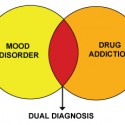
“Co-occurring disorders”, as the name suggests, is a disorder, in which the person is affected with dual problems like that of an emotional or psychiatric problem along with drug or alcohol addiction. The “co-occurring disorder” has a great effect on the patients “psychological and physical health”. A large part of the global population is experiencing….
There should be a ban on all alcohol advertising, including sports and music sponsorship, doctors say. The British Medical Association said the crackdown on marketing was needed, along with an end to cut-price deals, to stop rising rates of consumption. The industry spends £800m a year on promoting drinks – just a quarter of which….
Dual Diagnosis is a condition wherein a person has mental disorder as well as an alcohol problem. This is a condition that occurs very often, particularly with depression, personality disorders, anxiety disorders, Schizophrenia. Many times, the onset of Dual Diagnosis begins with the mental problems and to cope up with it, people use drugs or….