Choosing the Best Treatment Centers for Substance Abuse
- Many factors should be considered before choosing a center for substance abuse treatment.
- Cost isn’t the only important factor, location and level of care also matter.
- The best treatment centers for substance abuse will vary from one patient to the next based on individual needs.
When you decide to seek help, for yourself or a loved one who suffers from substance abuse or addiction, choosing the best treatment can be challenging at best. Everyone has different needs and every case of addiction features different hurdles and boundaries that can make certain types of treatment more effective or a safer choice than others. Generally, the longer and more intense the treatment, the longer the individual will remain sober following treatment but this isn’t always the case and intensive treatment isn’t always necessary.
Many factors should be considered when trying to choose the best treatment centers for your needs. Cost is definitely going to come up but there are other important factors too such as location, level of care and the length of the treatment program. Strong addictions, especially alcohol addiction or prescription medication addictions, often require stronger treatment and care than mild cases of addiction such as a marijuana addiction which may be well suited for outpatient treatment and therapy.
Factors to Consider

The best treatment centers for substance abuse can be found here!
When you are trying to choose the best treatment for your needs, consider the following factors:
- How long you have been addicted and what type of drug or substance you are addicted to. Keep in mind that longer cases of addiction often require longer treatment and cases that involve hard drugs such as prescription medications, heroin or similar substances often require residential treatment.
- Whether you want to seek treatment close to home so that you can be near family or if you may be better suited to “slip away” for a while so that you can focus more heavily on recovery.
- What accreditation and licensing that treatment program has and how this can affect your recovery. The best treatment centers are accredited by the state in which they operate and will carry appropriate licensing to show that they are legally allowed to provide treatment for your addiction.
- The overall effectiveness of the treatment program and its ability to provide the type of treatment that you need. It’s important to choose a treatment center that will provide you with quality, effective treatment that is focused on recovery from your addiction. Success rates are important and it’s important that you choose a treatment center that has experience in treating your particular type of addiction.
- The cost and how you will pay for treatment. Many programs accept insurance or offer payment structures that can help to make treatment more affordable for those who may have a limited ability to pay.
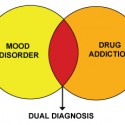
- The level of care that is provided and how this can help you get sober. Many treatment centers provide residential treatment which includes around-the-clock medical care and patient monitoring. This type of treatment is ideal if you suffer from an addiction that causes you to have serious withdrawal symptoms when you don’t use drugs or alcohol or if you have underlying health conditions or co-occurring disorders.
Everyone is Different
The best treatment centers recognize that every patient is different and has different needs. What works for one patient in recovery may be ineffective for the next patient. It’s important for you to choose a treatment center that will address your individual concerns, treat your individual problem and provide you with individualized care that is focused on your unique needs. Treatment centers should also re-evaluate the situation and modify treatment as needed to ensure that the treatment and therapy that is being provided continues to meet the unique needs of the patient as he or she grows and thrives in recovery.