Alcohol Addiction Treatment Centers for the Elderly
- Elderly treatment is fragile and must be carefully considered before moving forward with care.
- Seniors often develop drinking problems to cope with loneliness, grief or pain.
- It is important to choose alcohol addiction treatment centers that have experience in treating the elderly.
Substance abuse among the elderly is one of the fastest growing health problems in the United States. Millions of elderly individuals suffer from alcoholism, alcohol abuse or drug abuse and need help. What further ignites the situation is the fact that many of the elderly individuals who abuse alcohol are also taking a number of medications that should not be mixed with alcohol or other drugs. This places these individuals at a higher risk of overdose or other serious complications that may arise as a result of mixing medications and alcohol together.
Unfortunately, elderly treatment for addiction is a fragile process that must be carefully considered before moving forward with care. People are living longer these days and the elderly are abusing more prescription medications and alcohol than ever before. An estimated 20% of the elderly population suffers from substance abuse and needs help but treatment is a challenging process because elderly individuals have very unique needs medically, physically and psychologically.
Why Seniors Drink
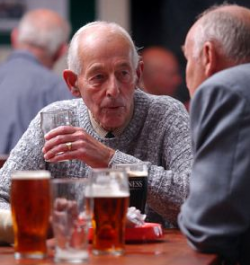
Alcohol addiction treatment centers can help our elderly too!
Seniors drink for a number of reasons. Some of the most common reasons include loneliness, boredom, emotional upset and pain. Grief over loss of a loved one, loss of mobility or loss of youth is often at the forefront of the problem and the primary cause of the alcoholism in those aged 60 and over. Many of today’s elderly individuals are the baby-boomer generation that was born between 1946 and 1964. These individuals were subjected to a wide array of drugs and alcohol in their youth and generally have a more accepting attitude towards the use of such substances than the older or younger generations do.
Choosing Treatment for Seniors
As the theory of addiction treatment has begun to set in and people no longer thing of addiction as a weakness, there is hope that more seniors who suffer from alcoholism or addiction will seek help and get the treatment that they need. There is no longer the stigma that addiction is the direct result of being weak or not caring about one’s self and this can hopefully lead more seniors to seeking the appropriate help but choosing treatment for the elderly still poses significant challenges.
The elderly have very different needs in treatment. There is a dire need for medical care, there is a need for prescriptions to be re-evaluated and the need for counseling is prominent as always. Seniors who have been affected by grief must be providing with appropriate guidance to help them heal. If loneliness is a factor, the support offered in treatment can be highly beneficial and may help to prevent further damage.
If you or someone you know is a senior who is addicted to alcohol or other drugs, consider choosing a treatment center that has experience in treating the elderly. It’s important to choose a program that is built for seniors specifically so that during group therapy and support times these individuals will be able to work with others who are close in age and who share similar problems. It could be rather difficult for a senior to work in therapy with someone half their age. The thoughts are different, the problems are different and relating to one another would pose serious challenges that may hinder the recovery process.
Treatment centers that provide help for seniors and that understand the unique challenges that arise in the treatment of the elderly can offer the best chance of recovery. Fortunately, evidence shows that older adults who seek help for alcohol addiction do tend to respond well to treatment and have similar outcomes as those who are younger and seek help. While it can be difficult to get a senior to accept treatment, and there may be challenges once in treatment, there is hope for recovery no matter how young or old an individual may be.