A National Directory of Drug Treatment Centers and Alcohol Treatment Centers, Therapists and Specialists. A free, simple directory providing assistance and guidance for those seeking help regarding alcohol addiction, drug addiction, dependency and many other conditions that affect the mind, body and soul.
Call
888-647-0579
to speak with an alcohol or drug abuse counselor.
Who Answers?
Warning signs of teen drug abuse
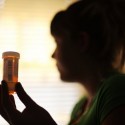
Drug abuse in teens, is not a new problem for our modernized society. The drug abuse has widely spread and almost every part of the world is affected by this fatal addiction. The drug abuse has proved to be a great threat for the upcoming younger generation. Since, teen drug abuse constitutes of the larger part of the drug abuse percentile, it is a high time to spread awareness among the younger generations and help these addicted teens, get rid of their drug abuse. Timely diagnosis and medication can help improve their situation. For this, identifying drug abuse in teens is important. Therefore, keep a watch on the warning signs of teen drug abuse.
The warning signs of teen drug abuse are many, and therefore, one must be able to properly distinguish between the normal, sometimes fluctuating ups and downs commonly seen in teens during their development that can prove to be really dangerous signs. The distinct warning signs of teen drug abuse are the sudden declining grades at school, also withdrawal from hobbies, team and family life, increase in borrowing money and maintaining secrecy about their possessions and activities. Though weird, the warning signs of teen drug abuse may also comprise of use of incense, room fresheners or perfumes, which is largely used for hiding the smoke or the chemical odor caused by the drugs.
These teens tend to be very hostile or violent for no apparent reasons. The parents must watch out for evidences of any drug paraphernalia like rolled papers or pipes, which are used for taking drugs, also other products like eye drops, which are useful for hiding the dilated pupils and the bloodshot eyes.
The epidemic of prescription drug use is a serious one. Most people that abuse prescription drugs are doing so without a doctor’s approval. They are using their medication in other ways other than prescribed by a doctor. Some may also be getting it from someone else. This can lead to drug dependence and addiction. According….
The government’s top medical adviser has drawn up plans for a minimum price for alcohol which would double the cost of some drinks in England. Under the proposal from Sir Liam Donaldson, it has been reported that no drinks could be sold for less than 50 pence per unit of alcohol they contain. It would….
Holiday time is party time, and no holiday is more associated with the drinking of alcohol than New Year’s Eve. For some people, it is especially difficult to cope with party invitations at this time of year. Those who are newly sober, and trying desperately to resist the temptation to relapse, often wonder how to….
Many people suffer from both co-occurring chemical dependency disorders and behavioral health problems such as anxiety and depression. This condition is commonly known as dual diagnosis. What is worse is that it is more prevalent than many people realize. According to a study conducted by the Journal of the American Medical Association, nearly 53 percent….
In Dane County, more young people between seventh and 12th grades are abstaining from alcohol than regularly using it, according to a 2005 assessment. Still, the fact that nearly 30 percent of local youth are considered regular drinkers is a cause for concern for many. About 30 people turned out Monday night for the first….