Call
888-647-0579
to speak with an alcohol or drug abuse counselor.
Who Answers?
West Virginia Treatment Centers
West Virginia AA Meetings
West Virginia Area 73 Alcoholics Anonymous
Al-Anon Family Groups
West Virginia Al-Anon / Alateen
Mental Health Services
Health & Human Bureau for Behavioral Health
West Virginia Behavioral Healthcare Providers
West Virginia Behavioral Health
Well WVU Mental Health
Anonymous Groups
Greater WV Area – NA
Mountaineer Region NA
NA Wheeling West Virginia
Cocaine Anonymous – call (800) 347-8998
West Virginia Gamblers Hotline – call 855-2CALLGA
Sex Addicts Anonymous West Virginia
Marijuana Anonymous West Virginia
West Virginia Helplines
AIDS Hotline – call (800) 642-8244
Rape Crisis Center – call (304) 523-0558
West Virginia Child/Adult/Domestic Violence Abuse Hotline – call 800-352-6513
Runaway youth and family crisis center – call 800-999-9999
Treatment & Detox Guide
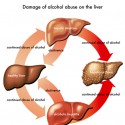
This is the stark image of the silent killer everyone who drinks too much should remember. Shrivelled and lumpy, the liver belongs to someone who has developed advanced cirrhosis. The condition can develop without any noticeable symptoms until the damage to the organ becomes so serious that it is far too late to do anything….
Continue reading ›
Heroin addiction treatment is available through both inpatient and outpatient programs to help people overcome their need to use heroin. What Exactly is Heroin? According to www.drugfree.org, heroin is a highly addictive drug derived from morphine, which is obtained from the opium poppy. It is a depressant that affects the brain’s pleasure systems and interferes….
Continue reading ›

Inpatient alcohol treatment programs are ideal for heavy dependence and strong addictions. Outpatient treatment programs can work in mild cases of alcohol dependence. Most people find that a combination of treatment, inpatient followed by outpatient, is most effective. Do you really have to live at a treatment center in order to receive appropriate help for….
Continue reading ›
Health boards are to receive £36m to help fight Scotland’s culture of alcohol abuse. Part of the funding will be spent on projects where recovering alcoholics will mentor youngsters on the dangers of drinking too much. The largest single handout will go to NHS Greater Glasgow and Clyde, which will receive more than £9m. NHS….
Continue reading ›
FRAMINGHAM, Mass. — Facing a dozen strangers seated around a table, the heavyset man with thinning hair put down his coffee and paused before introducing himself: “My name is Christian. And I’m a compulsive overeater.” For the next hour, members of the MetroWest Intergroup of Overeaters Anonymous shared personal stories of long-term weight gain and….
Continue reading ›