We’ve all heard the sermons and lectures. It is generally agreed that drinking alcohol – in excess – can be self-damaging. However very few of us know, or even pause to consider – how much is too much? For most of us, the post-party hangovers, scrapes and empty wallets are the only gauge of our….
Continue reading ›
Alcohol abuse is not to be confused with alcoholism. Those who abuse alcohol are not necessarily addicted to alcohol; however, prolonged excessive use could eventually lead to alcoholism. Alcohol abusers do not possess a dependence on alcohol, but usually drink more than is considered healthy. Distinguishing alcohol abuse symptoms from alcoholism can be tricky. How….
Continue reading ›
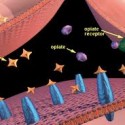
Opiate addiction develops out of a series of changes that take place inside the brain. Over time, these changes alter the brain’s overall structures and chemical processes. As these alterations take shape, a vicious cycle of opiates and the brain ensues for as long as a person continues to use. According to the U. S…..
Continue reading ›
In Dane County, more young people between seventh and 12th grades are abstaining from alcohol than regularly using it, according to a 2005 assessment. Still, the fact that nearly 30 percent of local youth are considered regular drinkers is a cause for concern for many. About 30 people turned out Monday night for the first….
Continue reading ›

Long-term drug treatment centers offer important advantages for patients receiving treatment for substance abuse, especially those with chronic or severe addiction. Long-term treatment differs from short-term treatment mainly in its duration, which may last from 60 days to over a year, depending on the needs of the patient. Below are five reasons to choose long-term….
Continue reading ›